


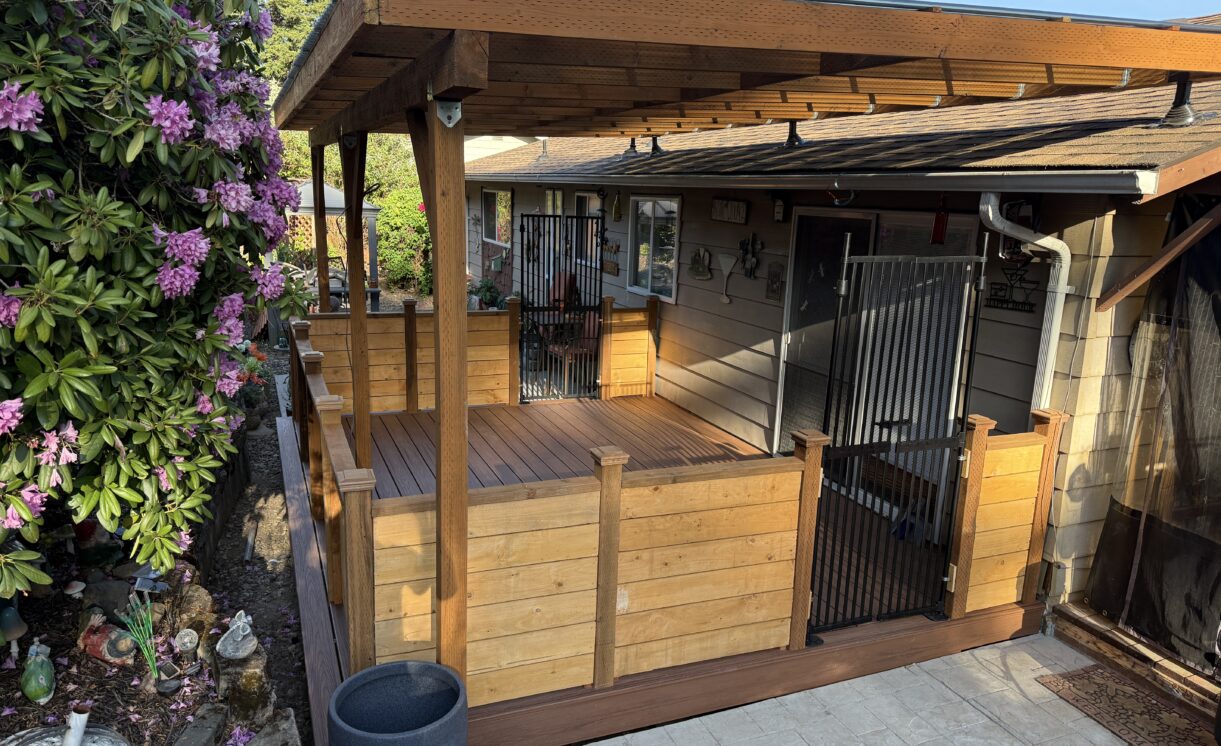
In summer, you want to step out onto the terrace barefoot and avoid the heat. This leads to a popular question: is there a deck that doesn’t heat up at all in the sun? The short answer is no; any material will heat up in direct sunlight. However, the difference in heat can be quite noticeable, and it depends on the color, composition, construction, and even the ventilation underneath the deck. Our blog covers a wide range of home and garden topics—from materials and engineering to maintenance and layout—so below we’ve compiled practical answers without the hype. These tips are based on the latest developments from manufacturers and field tests.
Why does decking become “hot”?
First, color. Dark boards absorb solar energy more actively and heat up more than light-colored ones. In real-world measurements, the difference between light and black composite decking reached tens of degrees Fahrenheit, even in moderate weather. Therefore, a light palette is the first “passive” way to reduce surface temperature.
Second, solar exposure and climate. Constant direct sunlight and high air temperatures retain heat in the material longer. Shade from a pergola, awning, or even a large umbrella reduces energy gain, while evening breezes and cross-ventilation accelerate cooling.
Third, the deck design itself. Raised pedestal systems create an air gap under the decking; this acts as a “thermal cushion,” reducing heat gain to the deck and accelerating heat exchange. On roofs, such solutions also improve drainage.

Materials: What’s Really Cooler
If we’re talking about a class that feels noticeably more comfortable underfoot, it’s modernized PVC planks (Advanced PVC). They are specially designed to reflect more sunlight and retain less heat, with some shades offering a “touch temperature” up to 30°F lower than many composites. This isn’t “magic,” but rather the chemistry and optics of the shell and core.
New-generation composites have also shed their reputation as “hot plastic.” Several lines use a heat-mitigating shell that reflects some of the sun’s energy and reduces heat compared to standard composite planks. Of course, darker is hotter; lighter collections feel noticeably more comfortable.
Finally, porcelain stoneware/tiles on adjustable supports. Porcelain stoneware itself, like stone, also heats up; again, color and reflectivity play a decisive role. But the air gap under the slabs improves the thermal conditions of the flooring and the space beneath it. As a result, the surface often cools faster, and the structure transfers less heat downward.
When “cooler” is engineering, not a slogan.
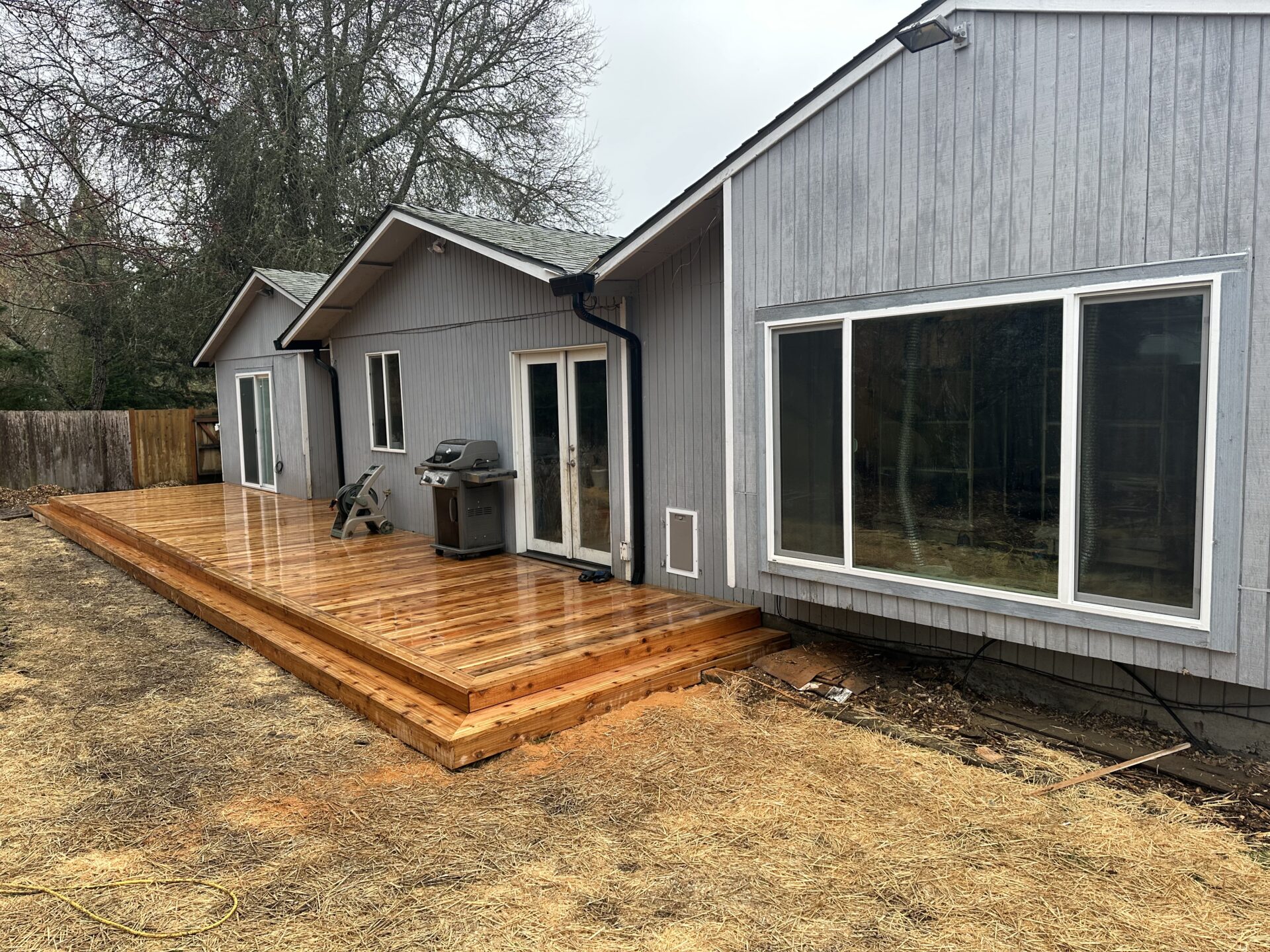
- A light palette and high SRI reduce absorption. In field tests, the difference between light and dark boards reached tens of degrees.
- Heat-mitigating coatings in composites reflect some UV radiation and reduce the heat peak compared to “standard” boards.
- The cellular structure of PVC and the absence of a wood filler help retain heat less frequently; in some shades, these boards are noticeably cooler than many composites.
- An air gap under the covering (pedestals, ventilated sheathing) improves convection and accelerates cooling.
A brief overview of flooring types
Advanced PVC. The “coolest” of all mass-produced materials, all other things being equal. It is lightweight, hydrophobic, and retains little heat. In warm climates and on open roofs, it is one of the best compromises between comfort and durability. The price is above average, but maintenance is minimal.
Composite with cooling technology. Modern lines are noticeably more comfortable than previous-generation composites. Choose light shades – this way you “get” both beauty and practicality. An additional advantage is stain and mold resistance thanks to the protective shell.
Wood (softwoods, light finishes). Light pine or cedar often heat up less than dark woods, and especially dark composites, but require regular maintenance and refinishing. In scorching sun, the lifespan of “beauty” depends on proper maintenance. (General practical recommendation without a specific brand.)
Porcelain tiles on pedestals. Light-colored and air-gap-sealed tiles are a worthy alternative for rooftop terraces and patios. However, any stone or porcelain tile covering can become hot under direct sunlight; color and shade management are crucial.
How to make your deck noticeably cooler (without replacing the decking)
- Add shade: pergolas, awnings, sails, large umbrellas. Localized shade works immediately.
- Ventilate the structure: provide a gap of at least ~45 cm from the ground/slab and don’t completely seal the perimeter. This will enhance natural convection.
- Lighten the surface: for wood, use light-colored stains/paints with high reflectivity; for composites, use light-colored runners in “hot” areas.
- Raise the decking onto pedestals where possible: the air gap acts as a “thermal decoupler.”
Is it worth chasing the “coldest” at any cost?
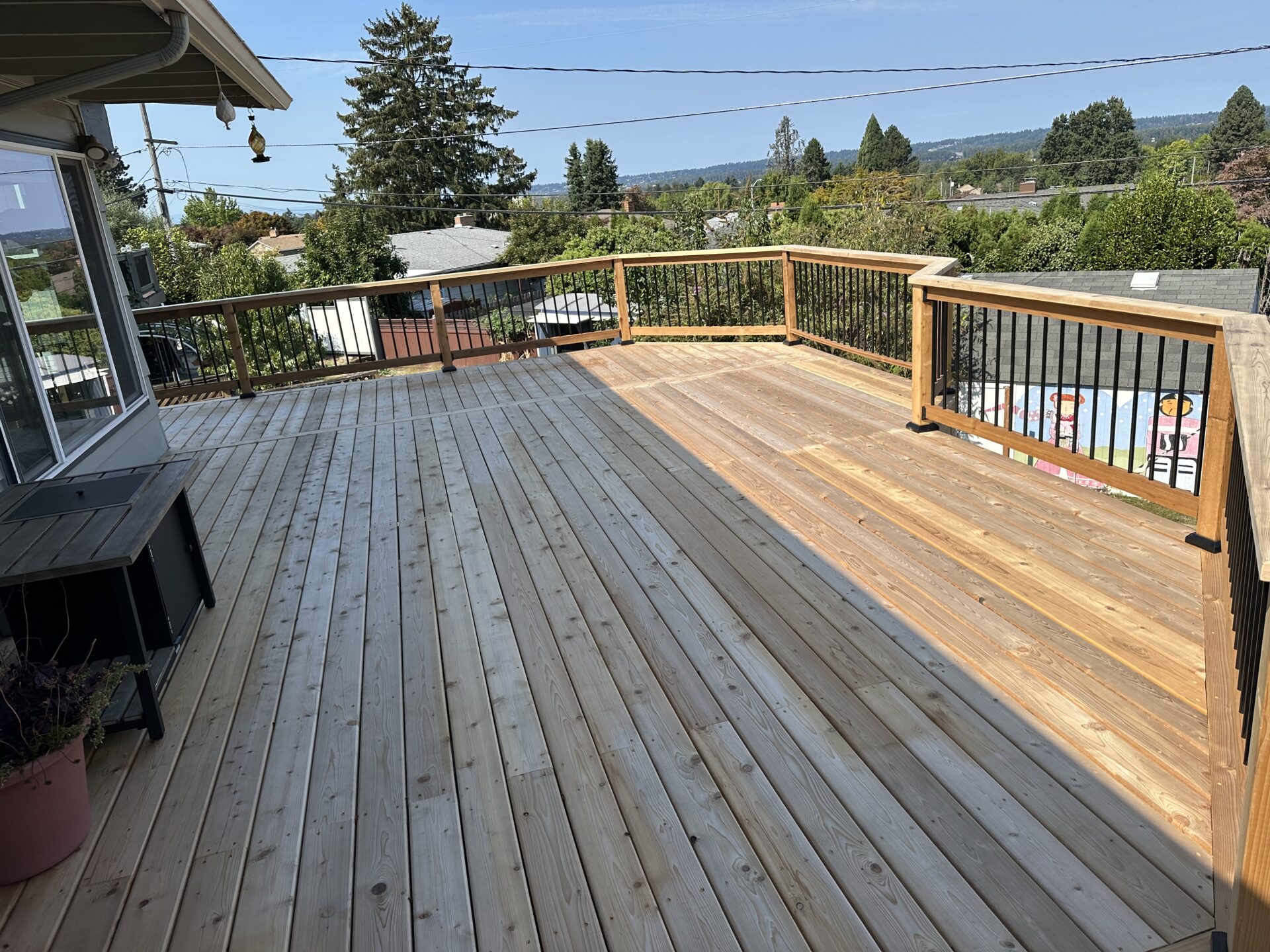
Even a “cool” deck remains warm under direct sunlight. Therefore, choose a system as a whole: material + color + shade + ventilation. A few degrees saved by color are easily lost in a completely open area without any shade. Conversely, a well-designed pergola and a ventilated base can work wonders even with a standard deck.
Also, consider secondary criteria: fade and stain resistance, wet adhesion, acoustics, installation cost for your substrate (soil, slab, roofing), and compatibility with other systems. Light-colored PVC and “cooled” composites currently offer some of the best balances of comfort, maintenance, and durability.
Conclusion
So, a deck that doesn’t heat up at all doesn’t exist. But a “deck without dancing on hot coals” is possible: choose light colors, focus on Advanced PVC or composites with heat-mitigating cladding, and install shade and a ventilated structure. This system significantly and predictably reduces the temperature, and the deck itself remains pleasant to the touch even in the height of summer. If needed, we can help you choose the right material and structure for your climate and needs—from a patio on a slab to a rooftop deck on pedestals.
Choosing the right surface for your outdoor space matters. Compare options in our Trex decking, cedar decking, and pool deck service pages. We serve homeowners across Vancouver WA and Portland OR.


