


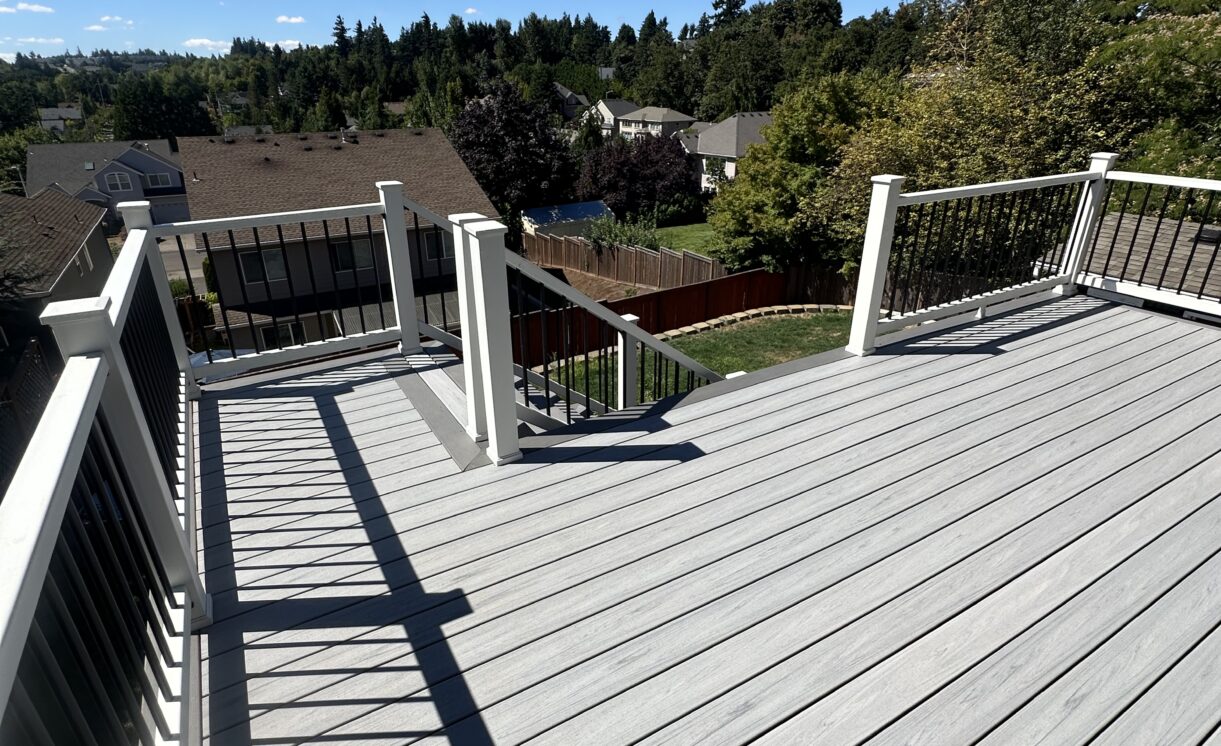
Building a deck involves more than just choosing deck boards and railings. It also involves weather windows, soil management, delivery schedules, permits, and inspections. In spring, these factors combine to create a more predictable picture: the ground has thawed, temperatures have stabilized, and permit departments and contractors aren’t yet overwhelmed with summer requests. As a result, it’s easier to follow proper procedures, meet deadlines, and avoid overpaying for “winter tricks.” Our blog covers a wide range of home and property topics—from foundation engineering to deck maintenance—and below, we’ll explore why starting in the spring offers significant benefits for homeowners in the US.
Why Spring Benefits Quality
Concrete and Foundations. Stable above-zero temperatures are essential for foundations and grillages. In spring, the risk of freezing of fresh mix is reduced, and the need for heating, antifreeze additives, and insulation “coats” is reduced. This reduces the likelihood of process errors and saves money. Additionally, it is easier to meet the deadlines for removing formwork and starting the next stage.
Soil and Frost. In regions with subzero temperatures, foundations are installed below the frost heave depth. By April–May, the soil becomes more predictable: there are fewer “surprises” during drilling and a lower risk of subsequent movement. This is especially noticeable for freestanding terraces, as settlement and subsidence of the foundation are a typical cause of “waves” in the decking.
Decking Installation. Composite and PVC are temperature-sensitive: the material expands in the heat and contracts in cooler temperatures. Spring’s moderate temperatures help maintain gaps more accurately, meaning joints remain neat both in summer and fall. Wood also benefits from easier control of the material’s moisture content, preventing cracking from sudden changes.

Practical benefits of starting in spring
- It’s more likely to be completed by early summer without any rush: the cycle of “design → permits → deliveries → installation → inspections” proceeds more smoothly.
- It’s easier to meet inspector and HOA schedules: queues are shorter before peak season, and approvals are processed faster.
- A wider selection of materials and accessories: railings, lighting, fasteners, and composite shades are available from stock.
- Fewer temporary shelters and alterations: moderate weather favors the work.
- Decking expansion joints are more precisely maintained, reducing the risk of open joints and creaking.
- Logistics are more cost-effective: in the spring, it’s easier to book a crew and delivery without a rush charge.
Climate and technology: how they affect service life
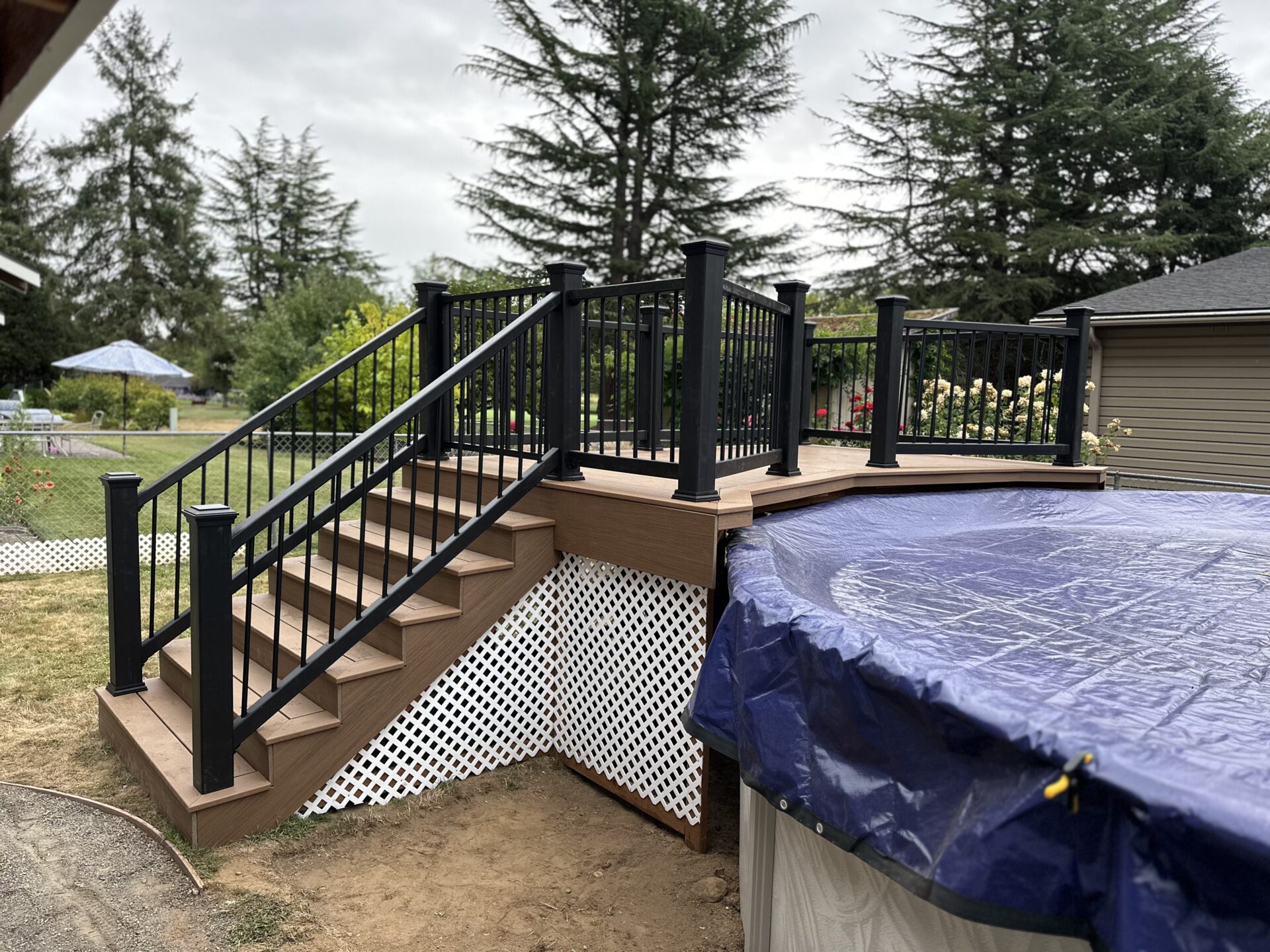
A high-quality foundation is half the battle. When concrete sets within the recommended temperature range, strength is achieved evenly, and the supports don’t require additional support. This later affects the geometry: joists don’t bounce, the decking doesn’t ripple, and railings stand firmly. Spring is also a good time to install drainage and ventilation under the decking, as water drains into the ground rather than condensing under snow or ice.
Installation in moderate weather improves precision. Fasteners and connectors operate within the “center” of the temperature range, preventing connections from becoming overtightened or loose in the heat. Additionally, it’s easier to cut and adjust railing elements, glass screens, and steps, where millimeter-level fit is crucial. The result is quiet decking and even, uneven handrails.
Timelines and logistics: how to get it done in time for the holiday season
Even a small terrace isn’t a two-week project. Drawings are prepared, applications are submitted to the municipality, and fencing and stairs are approved according to regulations. Then come procurement, delivery, installation, and final inspections. In the spring, it’s easier to synchronize the project team: designer, contractor, inspector, and HOA. As a result, the calendar forecast is more realistic, and the risk of getting stuck during peak summer is lower.
Furthermore, spring construction frees up the summer for life. While neighbors are waiting for a railing or back-order lighting, the finished terrace is already in use: al fresco breakfasts, evening get-togethers, and even an open-air mini-cinema. It seems like a small thing, but it’s precisely for these scenarios that a terrace is built.
Money and Choice: Where the Economy Favors Spring
Prices fluctuate year-round, but summer demand often washes out popular items: popular composite shades, modular railings, and glass panels. In spring, it’s easier to find the right components without compromise or extra charges for rush deliveries. Weather-related costs are also reduced: fewer temporary shelters, less downtime, and no “penalty” rescheduling due to storm warnings.
Furthermore, spring is more convenient for scheduling related work: electrical panels for lighting and heating, concrete pads for grill stations, and foundations for awnings and windscreens. All of this requires coordination and verification. The quieter the season, the easier it is to keep the budget within the original estimate.
Regional nuances in the US worth keeping in mind
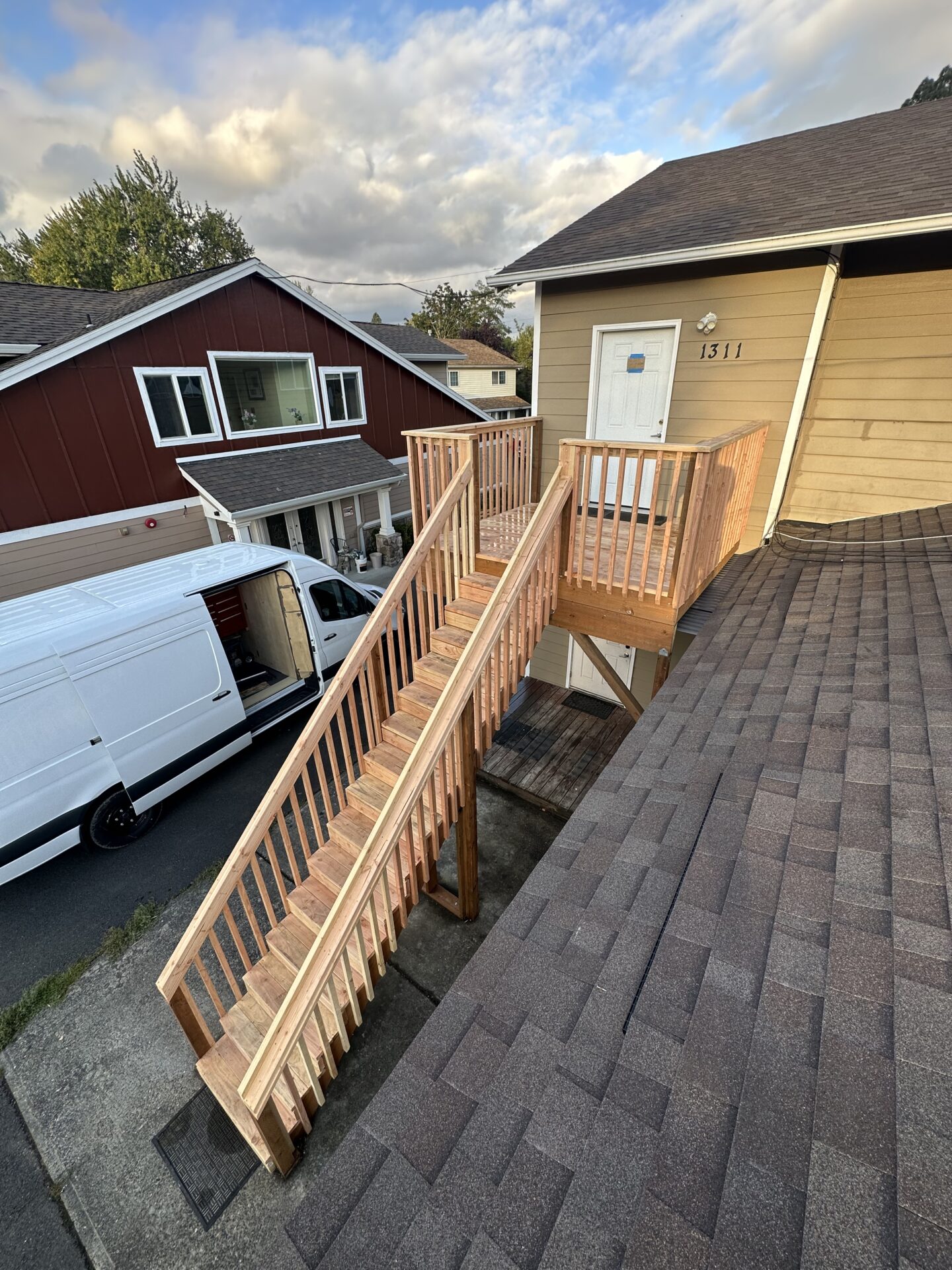
In northern states, frost depth and water drainage away from the house are key factors. In the spring, it’s easier to set slopes, install flashing at abutments, and test drainage during rain. In the West, fire hazard is an added factor: non-combustible foundation components and fencing are planned in advance, before the dry season begins. On the coast, corrosion is a consideration: it’s best to switch to stainless steel fasteners and connectors compatible with impregnations.
In regions with hot summers, early installation makes the deck more resistant to future heat waves. Correctly set expansion gaps and careful geometry reduce the risk of creaking and fastener “biting.” The result: the surface remains smooth longer, and the fencing maintains its rigidity during peak season.
What to prepare in winter for a stress-free spring construction
- Finalize the concept: dimensions, levels, usage scenarios, lighting, outlets, cooking areas.
- Check municipal and HOA requirements and, if necessary, fire or hurricane codes.
- Select decking and fencing appropriate for the climate: composite or PVC, taking into account expansion gaps; fasteners should be corrosion-resistant.
- Plan drainage and ventilation under the deck, record the slope away from the house and the abutment.
- Submit permitting documents and reserve a slot with the contractor in advance.
Conclusion
Spring isn’t just a comfortable temperature for the team. It’s a technologically advanced window of opportunity, allowing concrete to gain strength without unnecessary risks, soil behavior to be predictable, decking gaps to be set more accurately, and logistics and approvals to proceed more quickly. As a result, you get a high-quality foundation, precise geometry, and a summer-ready deck without unnecessary stress or overpayments. Start planning in winter, begin construction in early spring, and welcome the season with a new deck that performs quietly, looks fresh, and requires no intervention for a long time.
Ready to start your spring deck project? Explore our Trex composite decking and cedar deck construction services. We build decks throughout Vancouver, WA and Portland, OR.


